Table of Contents
It prevails, but can be really severe, affecting how you really feel, believe, and act. Having professional depression is various than simply feeling unfortunate. It is a relentless sensation of despair, pessimism, and loss of interest. To be detected with depression, signs must exist for 2 weeks or even more.
From one person to another the intensity and regularity of signs and symptoms will vary, and while some people just experience a few signs, others experience numerous. Relentless sad, anxious, or "vacant" state of mind Feeling hopeless Feeling pointless Angry outbursts, irritability, or stress Loss of rate of interest or enjoyment in leisure activities and activities Believing nothing is worth attempting Considering death, or that life is not worth living Lack of energy Moving or talking slower than typical Problem with focus, focus, memory, and decision making Feeling troubled or having difficulty sitting still Hunger or weight adjustments Difficulty resting, early-morning awakening, or sleeping far more or much less than typical Pains or discomforts, migraines, pains, or digestive problems without a clear physical reason Although depression is just one of one of the most usual mental problems in the US, there is no specific known reason for depression.
What Early Neglect on Your Life Today
Threat elements for depression consist of: Acquired qualities, personal or household background of anxiety Environmental aspects, like significant life adjustments, injury, or anxiety Mental variables Certain physical diseases and medications Biological distinctions, mind chemistry, or hormonal agents One of the most reliable therapy for depression is medicine and psychotherapy. The earlier that anxiety is treated, the easier it is to treat.
Speaking to a psychiatrist, psycho therapist or various other psychological wellness specialist, can be really valuable for people with clinical depression. Medications to deal with clinical depression are called antidepressants. There are lots of type of antidepressants that do various things in the mind, like enhance how the brain uses specific chemicals, or maintain your state of mind.
Experiencing The Brainspotting Approach Through Brainspotting
Some instances of antidepressants are: Discerning serotonin reuptake inhibitors (SSRIs) Serotonin-norepinephrine reuptake inhibitors (SNRIs) Irregular antidepressants Tricyclic antidepressants Monoamine oxidase preventions (MAOIs) Yes, you can have anxiousness and depression at the exact same time. They are two separate and distinct psychological wellness issues, they frequently occur simultaneously. Sometimes, somebody can have both an anxiousness condition and a significant depressive disorder.
In other situations, depression might trigger anxiety. Yes, there is a distinction in between anxiety and depression medicine.
Accelerated Resolution Integrated With Trauma Treatments Available Through Brainspotting
Therapy can be a practical tool for people with anxiousness and depression. For both stress and anxiety and anxiety, CBT includes chatting with actions patterns, and assists to show individuals with these mental diseases how to deal with symptoms.
For clinical depression, it can help you experience positive emotions. The majority of dealing with anxiety and anxiety with treatment is overlapping. Using evidence-based strategies certain to the therapy of state of mind conditions, like CBT, and consistently speaking to a therapist will aid those with anxiety, clinical depression, or both, make recognizable renovations. Yes, you can obtain treatment for anxiety and anxiety online.
How to Recognize Brainspotting for Burnout and Prevention Strategies
Mental health is complicated. While professionals have produced details medical diagnoses for different kinds of conditions, the fact is that lots of disorders have a fantastic bargain of overlap, which can make it rather tough to distinguish in between two different problems. Among one of the most common problems that individuals have is attempting to inform the difference in between anxiety and clinical depression.
While it would certainly be fantastic if there were a fool-proof method of telling you whether you have anxiety or anxiety, it's not rather that easy. Someone can conveniently have both anxiety and clinical depression, and some people might have created clinical depression symptoms as an outcome of their anxiety disorder. It's a little bit harder than stating "you have anxiousness" or "you have depression" since it's possible to have mixes of both.
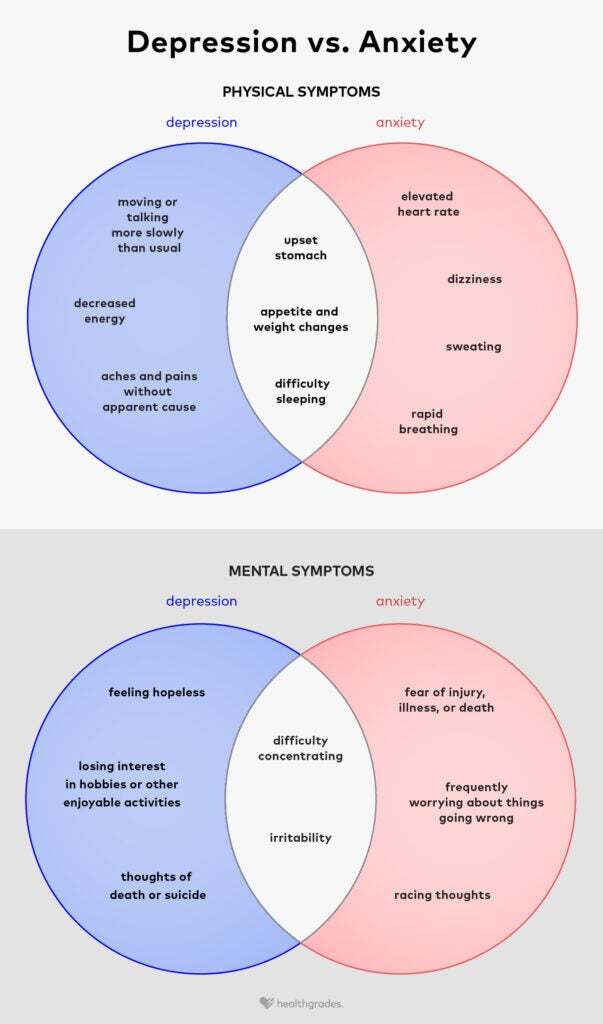
Signs and symptoms of one or the various other might hemorrhage right into whichever problem you have, because both share comparable reasons, problems, etc. The finest means to recognize the distinction in between the two conditions is with the main signs, beginning with the psychological signs. Anxiousness: Concern over what will happen and what might happen in the future.
The Cost and Accessibility of Counseling Services in Singapore
Feeling like you require to run away or stay clear of things that might cause more anxiety. Depression: Really feeling of unhappiness concerning the future, as though it's hopeless.
Those with depression often think a bad future and do not expect anything else or think there's anything worth preventing. Depression can occur after someone experiences anxiousness, because somebody that handles severe anxiousness might finish up feeling drained pipes and hopeless when their anxiousness or stress and anxiety strike is over. That's why both conditions can be challenging to distinguish.
Both anxiousness and anxiety can leave you really feeling drained and fatigued. In the situation of anxiousness, it tends to happen after extreme stress and anxiety, while with depression it has a tendency to be much more consistent, without always any triggers.
Physical symptoms that appear like health and wellness disorders, especially if accompanied with health fears. Clinical depression: Extreme lack of power or drive. Clinical depression in fact tends to have fewer physical signs and symptoms, yet the psychological signs can be so dangerous (especially the potential for suicidal ideas) and the absence of power so articulated that several individuals with clinical depression bargain with extreme battles daily that certainly rival the symptoms of anxiety.

Navigation
Latest Posts
Creating Healthy Coping Mechanisms in Therapeutic Work in Dubai
Identifying When Individual Therapy Can Help for Your Situation
Task Initiation Support in Portland, OR