Table of Contents
Throughout this phase in mourning, the pain of the loss starts to establish in. You might likewise feel guilty for needing much more from friends and family during this psychological time. You may lash out at individuals you love or come to be upset with on your own. Or you could attempt to "strike a deal" with a greater power, asking that the loss be removed for something on your component.
It is in this stage in regreting that you begin to really realize the truth of your loss. You begin to change to your brand-new life, and the strength of the pain you feel from the loss starts to minimize. At this moment in the grieving process, you may observe that you really feel calmer.
You start to reconstruct your new typical, functioning through any problems created by the loss. It's not that all your other feelings are gone, simply a lot more so that you have actually approved them and are ready to move on.
Deal space for people to grieve. This lets the person understand we're available when they're ready.
The Role of IFS in Understanding Achievement Patterns
Discover out which alternative is the best for you. Several organizations provide information or help for individuals going through the mourning process., aid for people who've shed a kid It is essential to bear in mind that every person deals with loss differently.
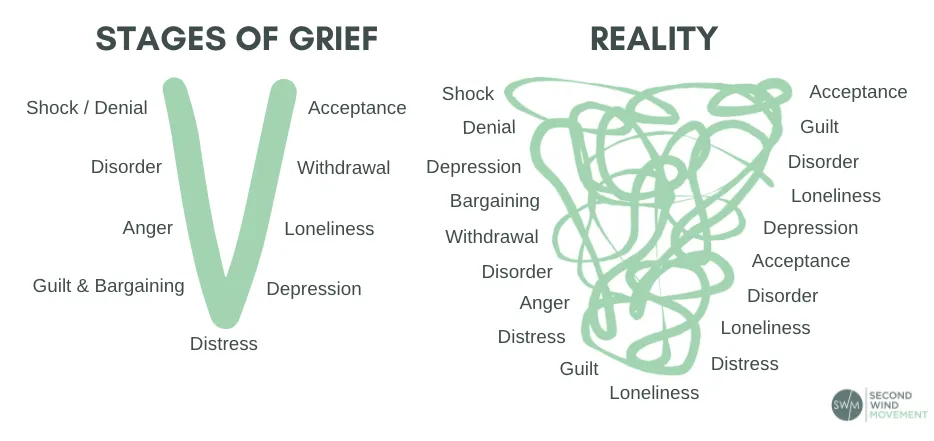
Also though the majority of people will experience grief at some point in their lives, most are unprepared. We've most likely heard of the 5 stages of despair: deinal, anger, clinical depression, and approval., and loss is a large experience.
For many, the large experience of loss, and the magnitude of emotion that includes it, feels like undiscovered area. As people, we such as process and we such as recognizing what to expect. This is where the well-known 5 stages of sorrow structure came from. Today, we're below to dive deeper right into each of the phases, how they can help you cope, and what you can do to get the support you need to move via grief.
Elisabeth Kbler-Ross, that collaborated with clients encountering incurable illness. The framework she specified was especially concerning these individuals who were grieving their very own fatalities. She initially released her findings in 1969 in her book entitled, On Fatality and Dying. In this publication, she explains what she saw the five phases of sorrow as: rejection, temper, bargaining, anxiety, and acceptance.
Developing Emotional Safety in the Therapeutic Process for PTSD Clients in Los Angeles
Kbler herself also expanded her model to include these in an additional book, co-authored with fatality and regreting expert David Kessler. The concept of the phases of pain has been commonly debated and broadened given that Dr. Kbler-Ross died in 2004. For instance, Kessler has actually suggested "meaning" as the sixth phase of sorrow.
The very first phase of despair is the denial phase. Any person who is going through a large modification, like a separation, or a major loss, like the death of a family participant, needs time to absorb the news.
The anxiety stage occurs when you slow down and totally face your despair. Depression is one phase of pain that can be fairly excruciating.
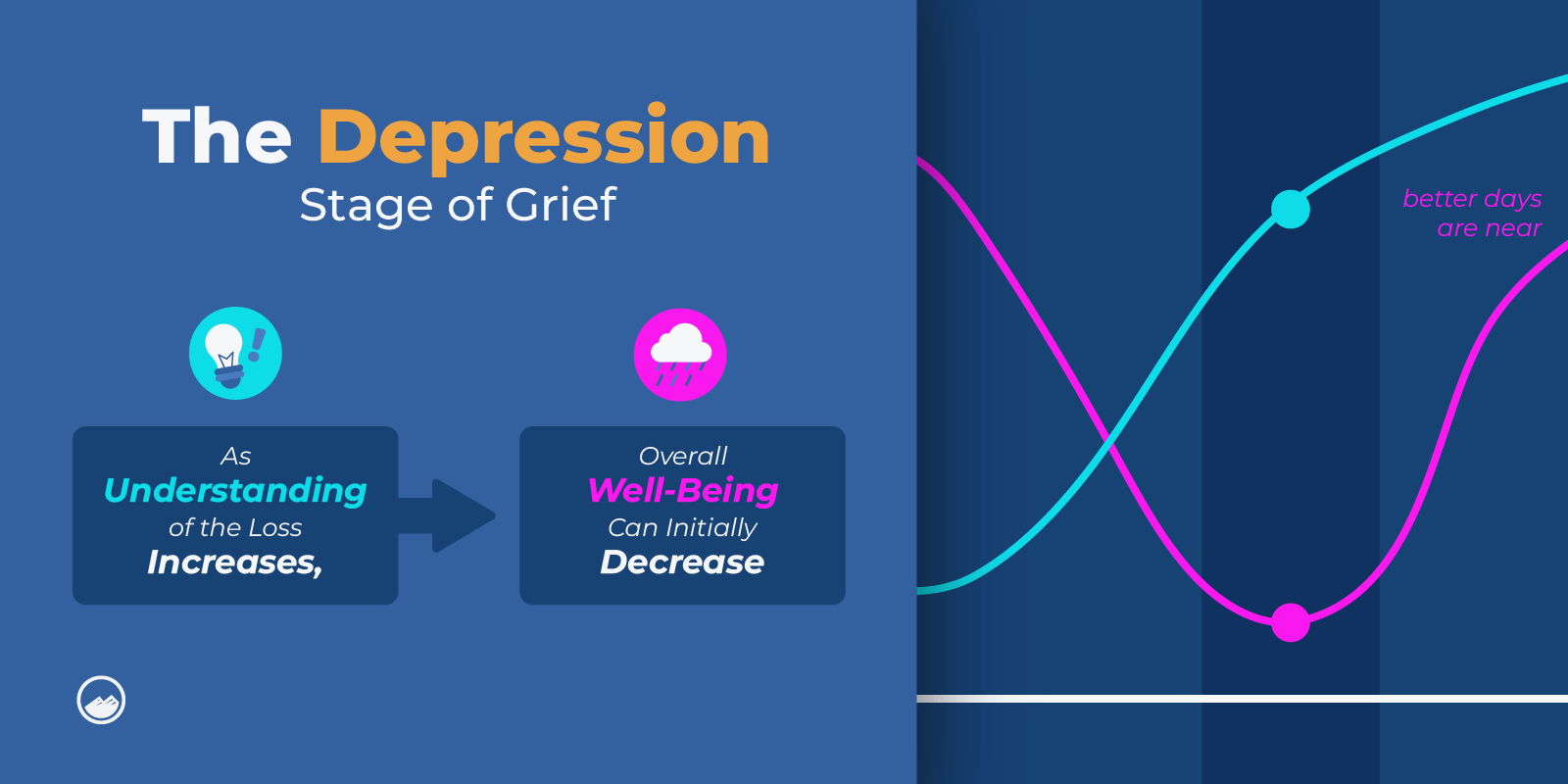
That does not mean it's a satisfied finishing or a goal though grief modifications you and it transforms your life. Acceptance indicates involving terms with those changes and realizing that you have started to have more good days than negative ones. The 5 phases have aided lots of people via the grief procedure.
Moving Beyond from Perfectionism Through Therapy in Your Area
Allow's assess some of the potential problems of the 5 phases of grief to ensure that you're aware of what to expect in yourself or others. Basically, Dr. Kbler-Ross gathered anecdotes from around 200 terminally sick patients. She then made use of those conversations to create the five phases of the sorrow model.
The 5 phases of grief model was planned to explain the feelings of terminally sick and passing away clients, and Dr. Kbler-Ross's study was therefore based upon discussions with those individuals. Yes, pain is a global experience, but we all experience it in different ways, so the narrow lens of this research study is definitely a restriction for the version.
Most individuals's experience of grief will certainly differ just because pain is individual, and all of us experience it in a different way. Ultimately, wrongly applying the 5 stages of pain can result in disenfranchised sorrow, which just exacerbates the griever's symptoms. The most effective method to avoid this is to take what help you from the stages of grief design and leave the remainder behind.

Navigation
Latest Posts
When Chronic Anxiety Manifests As Disordered Eating
Loved Ones Support in Sedona, AZ
Creating Safety in Therapy for Healthcare Workers in Your Area